Skip to content
DREAM 2.0 — Dafra Reality & Excellence Award Model

DREAMAbout DREAM

Nurturing the next generation of change makers.

DREAM stands for the Dafra Reality And Excellence Award Model — an innovation-centred initiative conceived in 2024 under Dafra Pharma to inspire, identify and reward promising young innovators.

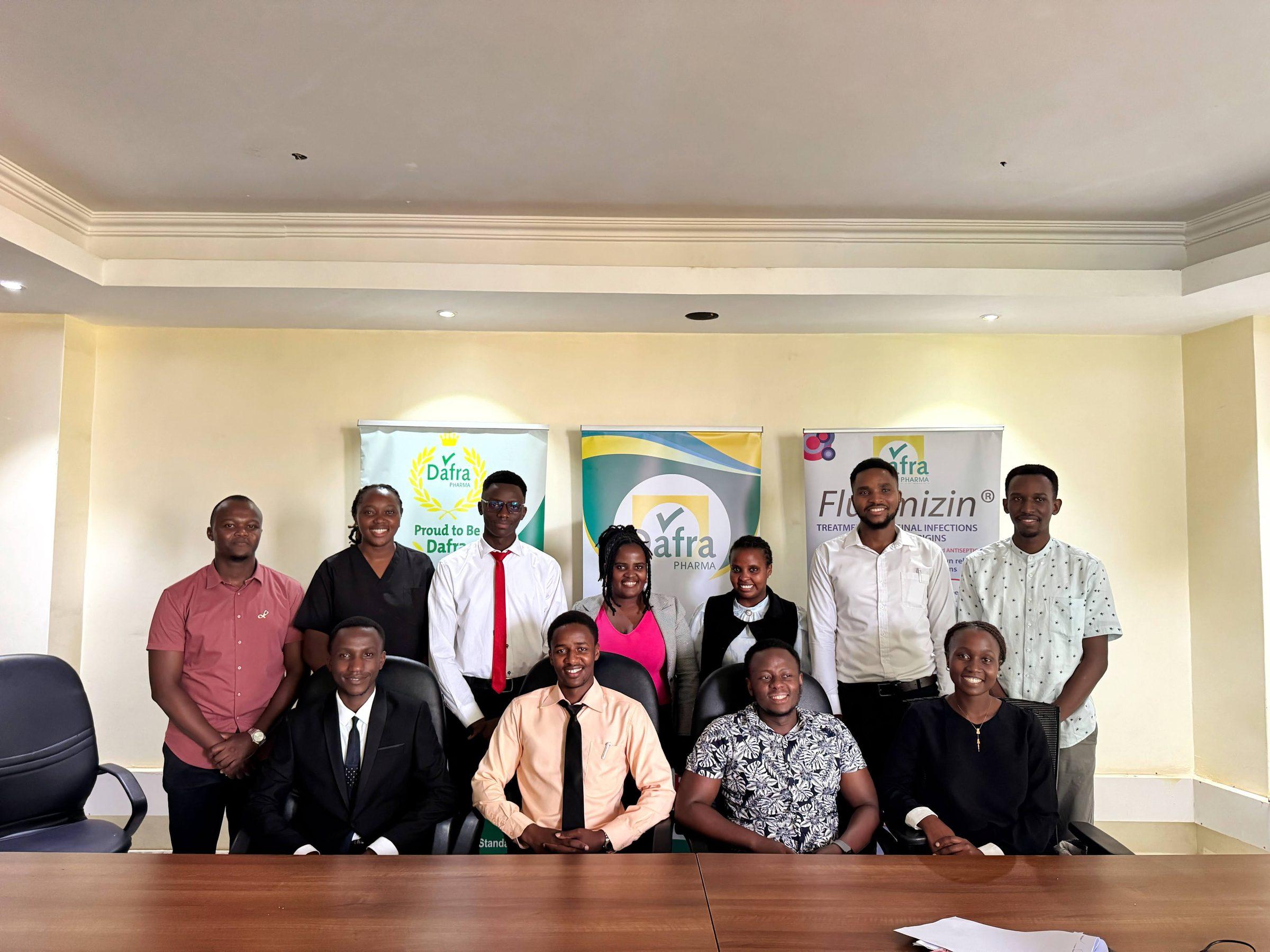
DREAM 1.0 participants standing together in the boardroom

Born at Dafra Pharma in 2024.

The DREAM Project was conceived in 2024 as an innovation-centred initiative under Dafra Pharma. It was born out of the need for a structured platform where creativity, research and innovation could be nurtured and celebrated. Recognising the role of young innovators in shaping the future of health and the pharmaceutical industry, DREAM was designed to inspire, identify and reward promising talent.

The programme combines innovation, design thinking, mentorship, intellectual property awareness, data science, healthcare problem-solving and recognition — so that promising ideas move from problem → idea → design → validation → impact.

Conceived
2024
Sponsor
Dafra Pharma
Who it serves
Undergraduates

Vision and mission

Our vision

To be a leading platform for nurturing innovation and empowering change makers in health, science and technology.

Our mission

To identify, support, and celebrate innovative ideas among undergraduate students through a structured process of engagement, mentorship and recognition.

Why DREAM exists.

  • To recognise and reward outstanding excellence in innovation as a motivational tool for undergraduate students.

  • To empower undergraduates to be proactive in innovative projects and research initiatives for a sustainable future.

  • To emphasise the role of young people in birthing innovative ideas that have the potential to revolutionise the world.

The spark starts here.

Mr John Ndung'u, Country Manager at Dafra Pharma, conceived DREAM. He reflects on the inspiration behind it, the pillars it stands on, and where it goes next.

“Innovation isn't a luxury; it's our duty to humanity.”

Mr John Ndung'u

Country Manager, Dafra Pharma

  1. Q1

    What was the vision and inspiration behind DREAM, and what gap did you hope to fill?

    The inspiration was to empower innovative minds and ideas in the undergraduate ecosystem. There are few corporates in pharma tapping into the undergraduate medical student sphere.

  2. Q2

    What key pillars form the foundation and identity of DREAM?

    Discovery and Innovation: encouraging students to identify real-world healthcare challenges and propose practical, original solutions.

    Mentorship and Exposure: the goal is to shape thinking, not just reward effort — giving participants visibility, guidance and networks that outlast the event, while connecting students with industry leads and mentors.

    Excellence and Recognition: celebrating creativity, consistency and achievement in medical innovation. The DREAM awards model emphasises character, competence and contribution in healthcare solutions.

    Empowerment and Leadership: building initiative and confidence among the youth to lead the future of healthcare. Participants don't just learn — they own ideas, present, defend, and lead their implementation journeys.

    Sustainability and Community Impact: focused on scalable impact, from idea to community-based application. DREAM isn't a one-off contest; it's an ongoing ecosystem — linking successive cohorts, universities and sponsors under the shared vision of "The Spark Starts Here."

  3. Q3

    How would you describe the implementation journey so far?

    The implementation has been a major learning experience in itself. From the steering committee at MKUMSA, everything has been a fantastic learning experience. The young minds at the secretariat brought forward key ideas beyond what we envisaged at inception. We were lucky to have a patron who is passionate about the youth and innovation, which firmed up the whole idea.

  4. Q4

    What positive transformations have you observed as a result of DREAM 1.0?

    Confidence in the youth. From inception, I have seen participants grow in confidence and presentation skills. The contest has also sparked the young medical innovators to think of future participation in subsequent DREAM competitions.

  5. Q5

    How has DREAM shaped the culture of innovation and leadership among undergraduate medical students?

    Indeed, the spark has been generated. The interest shown from peer learning institutions is testament to the potential and impact of the project.

  6. Q6

    What message would you like to share with the innovators, participants and enthusiasts of DREAM 1.0?

    I want to thank all the participants for daring to DREAM. The journey has just begun and I am totally confident we will produce global health solutions from the initiative. My hope is that the students will keep the spark alive.

  7. Q7

    What do you envision for the next phases of DREAM?

    More medical learning institutions will be onboarded. More participants. More innovative solutions — and, importantly, a generation of solution-oriented innovators in future.

  8. Q8

    What is your call to action to partners, innovators and the wider community?

    I would encourage more corporates to enter this space and support young healthcare innovators. Innovation isn't a luxury; it's our duty to humanity.

    As partners, mentors and innovators, let's turn ideas into sustainable impact. DREAM is our shared platform to advance SDG 3 (Good Health and Well-Being) by nurturing solutions that strengthen healthcare systems, SDG 4 (Quality Education) through mentorship and learning, and SDG 9 (Industry, Innovation and Infrastructure) by building a culture that rewards creativity and research.

    Let's keep the spark alive — because every bright idea is a step closer to a healthier, more equitable world.

More than a competition. A movement.

Dr. Naomi Bett

DREAM Project Lead and Founding Chairperson

Innovation is at the heart of progress in every sphere of life. The Dafra Reality And Excellence Award Model (DREAM) was born from this background and embodies this commitment. By providing a structured process through which undergraduates can showcase and develop their innovative ideas, DREAM acts as an important tool of empowerment.

DREAM is premised on all-roundedness: we reward and recognise excellence in innovation, academics and co-curricular activities. This promotes the holistic nurturing of young, brilliant minds and serves as a motivational tool to propel them to greater heights.

The DREAM Project provides a structured and transparent platform for nurturing innovation, leadership and creativity among students. DREAM exists to bridge the gap in innovation and ensures consistency, sustainability and relevance to the student community. Each phase of its implementation is designed to build capacity, encourage collaboration and foster excellence.

Through this initiative, students are not only recognised for their ideas but also empowered with life skills. Ultimately, the DREAM Project is more than a competition; it is a movement to inspire vision, cultivate innovation and celebrate achievement.
What we stand for.

  • Excellence

    Striving for the highest standards of excellence in every sphere of life.

  • Innovation

    Driving creativity and supporting new ideas.

  • Integrity

    Ensuring fairness, transparency and accountability.

  • Collaboration

    Building partnerships with organisations, associations, institutions and individuals.

  • Sustainability

    Ensuring the continuity of DREAM beyond one cycle.

Start with people. End with impact.

Every DREAM innovation follows a human-centred path.

  1. 1

    Identify

    Understand a real healthcare problem.

  2. 2

    Explore

    Research the problem and understand the people affected.

  3. 3

    Design

    Use human-centred design and design-thinking approaches.

  4. 4

    Build

    Develop and refine a potential solution.

  5. 5

    Validate

    Test assumptions and gather feedback.

  6. 6

    Impact

    Present, scale, and create meaningful change.

Many hands make DREAM work.

The DREAM Project brings together several stakeholders, each contributing to its success.

  • Dafra Pharma

    Sponsor and strategic overseer.

  • DREAM Patron

    Faculty overseer who guides the implementation process of every cycle.

  • DREAM Secretariat

    Responsible for the governance and implementation of the project.

  • Associations & Clubs

    Medical student associations and student-led research and innovation clubs, providing a platform for engagement, networking, mentorship and outreach.

  • Applicants

    Student innovators participating in the programme in every cycle.

  • Judges & Mentors

    Professionals who evaluate and support applicants through every phase, and decide the overall DREAM winners.

From a pilot to a platform.

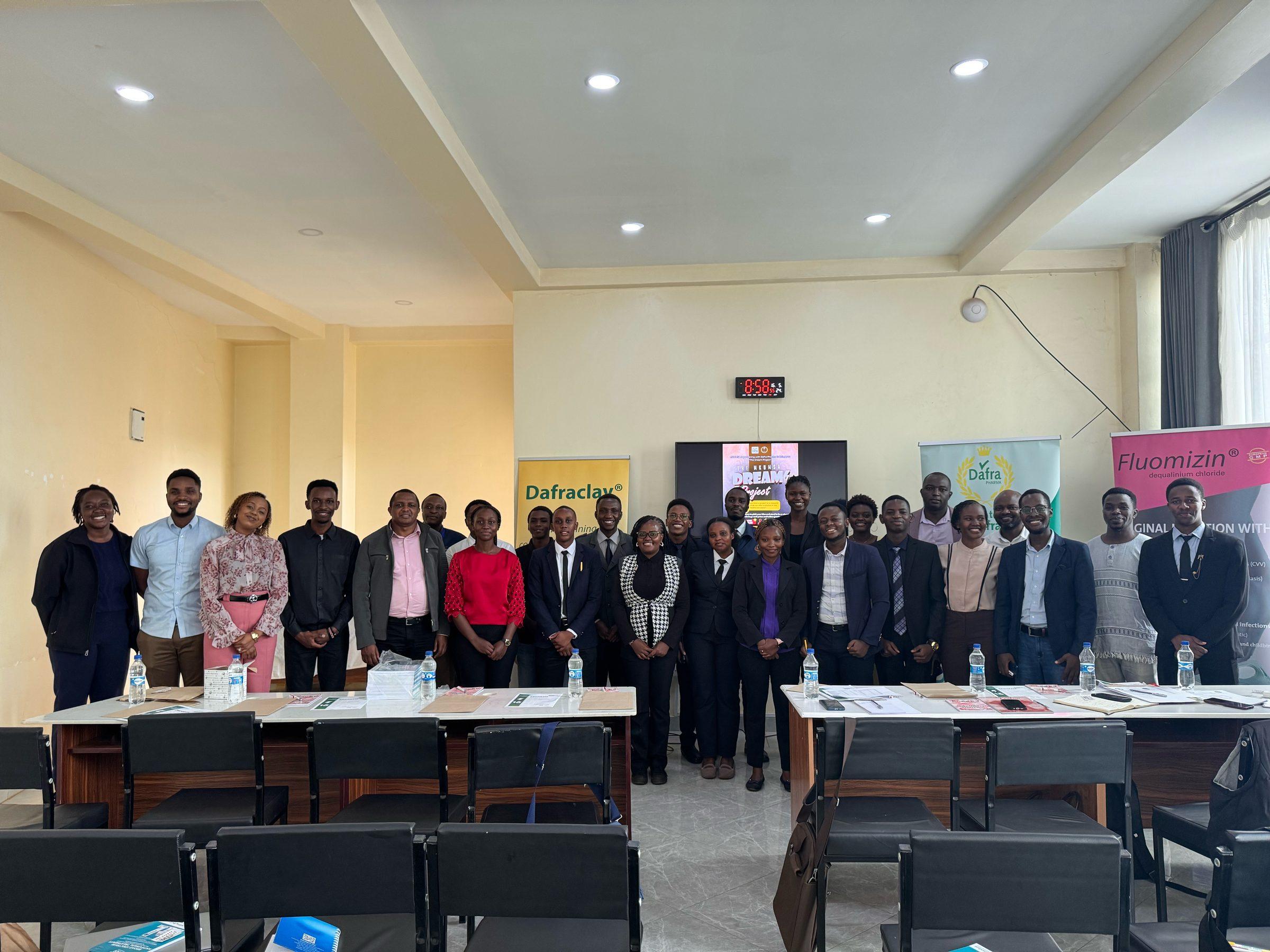
  • The DREAM 1.0 cohort together in the pitch room

    DREAM 1.0 · Pilot

    Mount Kenya University

    DREAM began as a pilot at MKU — 20 applicants, 19 awardees, 7 finalists and 3 winners.

    The DREAM 1.0 archive
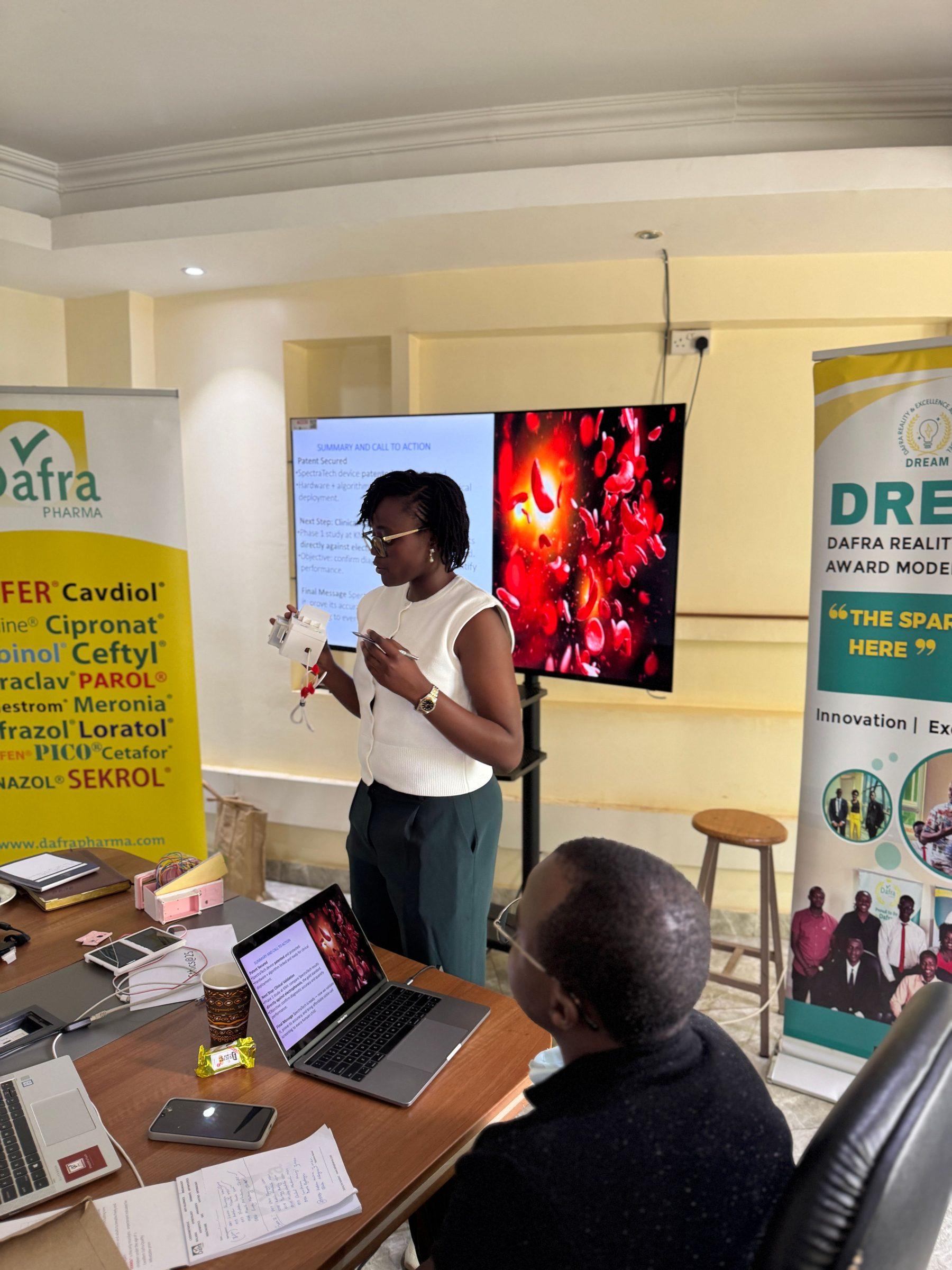
  • An innovator presenting beside the DREAM banner at the DREAM 2.0 Final Pitch

    DREAM 2.0 · Now

    Four universities. One theme.

    DREAM 2.0 expands to MKU, the University of Nairobi, Kenyatta University and JKUAT under the theme Innovating Healthcare.

    Discover DREAM 2.0

Connect. Build. Innovate.

Whether you're a student with an idea, a professional with expertise, or an organisation that believes in young talent, there's a place for you in DREAM.

Become a mentor
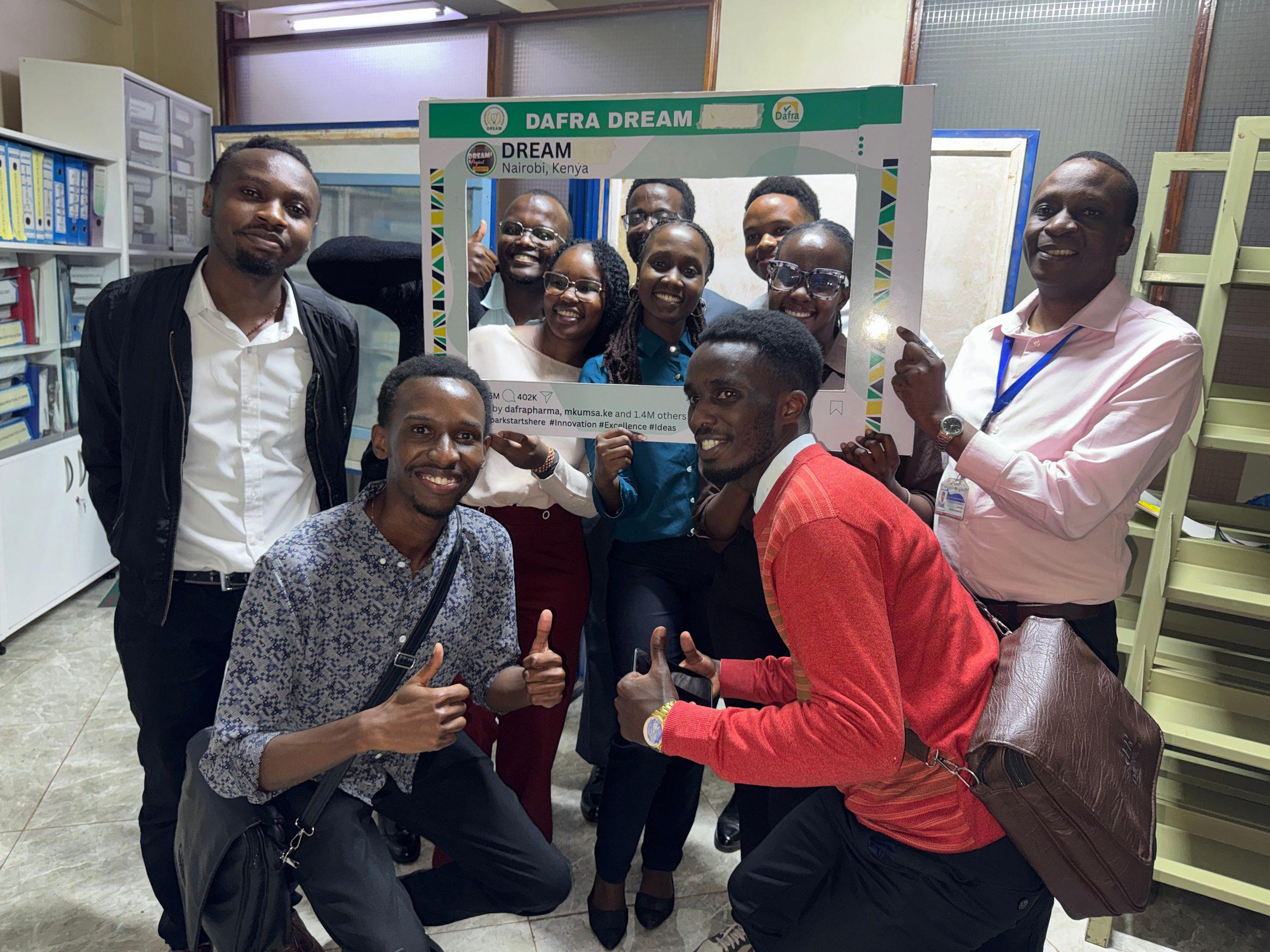
DREAM 2.0 participants posing with the Dafra DREAM photo frame